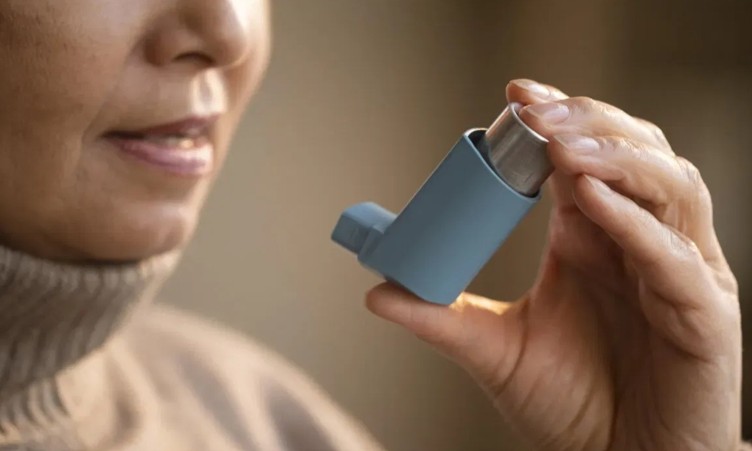

Allergen Immunotherapy: A Long-Term Approach to Managing Allergies

For people whose allergy symptoms are difficult to control — or whose allergens are simply impossible to avoid — allergen immunotherapy (AIT) offers something that antihistamines and nasal sprays cannot: the chance to change the way the immune system responds to allergens in the first place.

Here’s what AIT involves, who it’s suitable for, and what to expect from treatment.

What is allergen immunotherapy?

Allergen immunotherapy — sometimes called desensitisation — works by exposing the immune system to gradually increasing doses of an allergen over time. With consistent treatment, the immune system learns to tolerate the allergen rather than overreact to it.

It is a long-term commitment. Treatment typically continues for at least three years, but the results can be lasting — many people experience five to ten years of significantly reduced symptoms, or no symptoms at all, after completing a course.

AIT is a proper medical treatment and is entirely different from homeopathy. It works because it uses high doses of standardised allergen preparations. Homeopathy uses extremely weak extracts and has no scientific evidence to support its claims.

How is it given?

There are two main ways to receive allergen immunotherapy.

Subcutaneous immunotherapy (SCIT) involves regular injections, usually given at a clinic. Treatment begins at a very low dose and increases gradually — typically over weekly appointments — until an effective maintenance dose is reached. This usually takes three to six months. After that, injections are generally given monthly and require a 30–45-minute observation period at the clinic afterward.

Sublingual immunotherapy (SLIT) involves daily doses taken at home as tablets, sprays, or drops placed under the tongue. This option suits people who prefer not to have injections or find regular clinic visits difficult to manage. SLIT tablets are taken before breakfast and before brushing teeth — you place one tablet under the tongue, allow two minutes for it to dissolve, then dry swallow and wait five minutes before eating, drinking, or brushing your teeth.

Both approaches require consistency to be effective. Missing doses regularly reduces the benefit of treatment.

What conditions does it treat?

AIT is most commonly used for:

  • Allergic rhinitis (hay fever) caused by grass pollen, dust mites, or other aeroallergens — particularly when symptoms are severe, hard to manage with medication, or caused by something unavoidable like grass pollen
  • Allergic asthma associated with dust mites or pollen, in some cases
  • Animal dander and mould allergies where avoidance is not practical

Allergen preparations available in Australia cover dust mites, grass, tree and weed pollens, animal dander, and moulds.

AIT is not a treatment for food intolerance or reactions to food chemicals, additives, or preservatives. It is also not routinely used for eczema. Food oral immunotherapy (OIT) — which addresses food allergy — is a separate treatment; you can read more about that on our OIT page.

Who is it suitable for?

AIT is usually initiated by an Immunologist or GP Allergist after confirming the cause of your allergies through testing.

It is generally recommended when:

  • Symptoms are significantly affecting quality of life
  • The allergen is difficult or impossible to avoid
  • Medications aren’t providing adequate relief, or are causing unwanted side effects
  • You would prefer a longer-term solution over ongoing medication

There are some situations where AIT is not appropriate, or needs to be approached carefully:

  • Pregnancy — it is generally recommended not to start a new course of AIT during pregnancy. If you fall pregnant while already on treatment, speak with your specialist. Treatment can be started or continued while breastfeeding.
  • Unstable asthma — asthma should be well controlled before starting. If you have a flare, treatment may need to be paused until it settles.
  • Certain medications — some heart and blood pressure medicines, and some glaucoma eye drops, can increase the risk of side effects. Let your specialist and GP know what you are taking before starting.

What are the risks?

As with any treatment that involves deliberate allergen exposure, reactions can occur.

With injections, localised swelling at the injection site is fairly common and can be managed with antihistamines, ice, or paracetamol if needed. More serious reactions such as anaphylaxis are uncommon, but this is why patients are observed for at least 30 minutes after each injection and advised avoiding vigorous exercise for at least three hours afterward.

With sublingual preparations, mild irritation of the mouth, tongue, or throat is common when starting treatment — this is simply the body’s response to the allergen and usually settles as treatment continues. Generalised allergic reactions are rare but possible. If you experience hives, breathing difficulty, or any digestive symptoms such as difficulty swallowing, stop taking your tablets and seek medical attention immediately.

For both forms of AIT, it is important to let your specialist know about any reactions after a dose, any new medications you have started, and if you become pregnant.

Taking the next step

Allergen immunotherapy is a meaningful investment in long-term health — not a quick fix, but for the right patient, a genuinely life-changing one. The team at Austral Allergy sees patients across our Canberra and Adelaide clinics and can assess whether AIT is appropriate for your situation.

If you would like to explore whether allergen immunotherapy is right for you, we welcome you to arrange an appointment https://canberraallergy.com.au/

Clinics will soon be coming to Melbourne and the Northern Rivers.

https://www.allergy.org.au/patients/allergy-treatments/allergen-immunotherapy

https://www.allergy.org.au/images/stories/reports/ASCIA_Allergy_in_Australia_2014_NHPA__Submission.pdf

https://allergyfacts.org.au/

https://nationalallergycouncil.org.au

Food Oral Immunotherapy (OIT): What Parents Need to Know

Food allergies can shape every meal, every birthday party, and every trip away from home. For young children with an immediate food allergy — the kind that causes hives, lip swelling, or difficulty breathing — oral immunotherapy (OIT) has emerged as a treatment option worth understanding. It is not right for every child, but for some it can meaningfully change their relationship with food.

Here’s what OIT involves, what it can realistically achieve, and what to consider before taking it on.

What is food oral immunotherapy?

OIT involves a child eating or drinking gradually increasing amounts of the food they are allergic to, under close medical supervision. The goal is to desensitise their immune system — to raise the threshold at which it reacts — so that accidental exposure to small amounts of the allergen is less likely to trigger a reaction.

It is an active, ongoing medical treatment, not a one-off procedure. After the supervised build-up phase, the allergen needs to be consumed every day to maintain the benefit.

OIT is only appropriate for children with a confirmed immediate food allergy, diagnosed by an Immunologist or GP Allergist. Skin prick tests or blood tests alone are not sufficient to confirm suitability — a medically supervised oral food challenge is often needed first.

Is OIT available in Canberra and Adelaide?

Yes. Austral Allergy offers OIT assessment and management for children aged five and under at our clinics in Canberra and Adelaide, under the supervision an Immunologist or GP Allergist

We are looking to extend this age range over the next year as OIT becomes more accepted in Australia

What can OIT actually achieve?

This is an important question — and worth answering honestly.

OIT can desensitise your child to their allergen. Being desensitised means that while they continue taking their daily dose, they are less likely to react to accidental small exposures. It provides a meaningful safety buffer for many young children, particularly at an age when accidental contact is hard to prevent.

OIT is not a cure. It does not induce lasting tolerance — meaning the ability to eat normal serves of the food after a prolonged break from OIT, with no reaction. Some children achieve what is called sustained unresponsiveness (sometimes called remission), where they can eventually eat a full serve after stopping OIT doses. But this is not a guaranteed outcome and cannot be predicted in advance.

It is also worth knowing that some children naturally outgrow their food allergy over time. OIT has not been proven to speed up or cause this process — it is simply something that may happen regardless.

If your child stops taking their daily dose, the protection reduces. The desensitisation effect depends on ongoing consumption.

What are the risks?

OIT is a medical intervention and carries real risks that need to be weighed carefully with your specialist.

Children on OIT tend to experience more allergic reactions overall than those managing their allergy through strict avoidance — because the treatment itself involves regular exposure to the allergen. Severe allergic reactions, including anaphylaxis, can occur. Any child undertaking OIT must have an adrenaline (epinephrine) device available at all times and a written emergency action plan.

Other risks include:

  • Eosinophilic oesophagitis (EoE) — an allergic condition of the oesophagus that can be worsened or triggered by OIT in some patients
  • Co-factor reactions — exercise, infections, poorly controlled asthma or hay fever, and lack of sleep can all increase reaction risk around dose times in young children
  • Ongoing lifestyle impact — doses must be taken consistently, and your child needs to rest and be observed for at least one to two hours afterward; this affects childcare, travel, and family routines

What does the treatment actually involve day-to-day?

OIT requires genuine commitment from the whole family. The build-up phase involves supervised clinic visits where doses are gradually increased. Once a maintenance dose is reached, it needs to be taken every day at home — usually from a food product rather than a commercial medicine.

Doses should be given at a consistent time, followed by a quiet rest period at home. Children should not take their dose just before, on the way to, or at childcare. Physical activity and known co-factors should be avoided around dose times as directed by your specialist.

The treatment can continue for several years, so it is worth thinking practically about how it fits into your family’s routine from the outset.

Is OIT right for your child?

OIT is a highly individual decision. It involves balancing meaningful potential benefits against real risks and the practical demands on your family — bearing in mind that for most children with food allergy, careful avoidance remains the standard of care and serves them well.

A shared decision-making process with your Immunologist or GP Allergist is essential before starting. This includes a full discussion of expected outcomes, potential side effects, lifestyle changes, and the long-term commitment involved.

Questions worth asking your specialist include:

  • Is my child a suitable candidate based on confirmed allergy testing?
  • What outcome is realistic for my child’s situation?
  • What are the specific risks we need to plan for?
  • What is the full cost of the program, including appointments and products?
  • Who manages side effects, and how do I reach them?
  • What happens at the end of the formal OIT period?

A note on information sources

Personal testimonials — however compelling — are not a reliable basis for medical decision-making.

If you are considering OIT for your child, the most important step is a thorough conversation with an Immunologist or GP Allergist who can assess your child’s individual circumstances.

The team at Austral Allergy sees young patients across our Canberra and Adelaide clinics. If you would like to discuss whether OIT is appropriate for your child, we welcome you to arrange an appointment https://canberraallergy.com.au/

Clinics will soon be coming to Melbourne and the Northern Rivers.

https://www.allergy.org.au/images/pc/ASCIA_PC_OIT_Food_Allergy_FAQ_2026.pdf

https://www.allergy.org.au/images/stories/reports/ASCIA_Allergy_in_Australia_2014_NHPA__Submission.pdf

https://allergyfacts.org.au/

https://nationalallergycouncil.org.au

Allergy and Asthma: Let’s set the record straight

There’s a lot of misinformation circulating about allergies and asthma. Some of it is harmless folklore; some of it leads people to make decisions that make their symptoms worse. Here we address the most common myths we encounter — and what the evidence actually says.

“Allergies and asthma aren’t that common”

They are, in fact, remarkably common. Around one in five Australians will develop an allergy at some point in their life, and about one in ten will develop asthma. The rise of allergic disease over the past few decades is one of Australia’s significant public health challenges — not a niche concern.

“Allergies are just a minor inconvenience”

For some people, allergies are mild. For others, they are genuinely life-altering — and in some cases, life-threatening.

Severe allergic reactions (anaphylaxis), most commonly triggered by foods, medications, or insect stings, are potentially fatal. Even conditions that seem less serious, like allergic rhinitis (hay fever), carry real consequences when left untreated: poor sleep, persistent fatigue, difficulty concentrating, and time off work. In children, untreated hay fever can affect learning and school performance in ways that are easy to miss.

Unmanaged allergies can also worsen asthma, sinusitis, eczema, and hives. Taking allergies seriously — and getting a proper diagnosis — matters.

“Smoking doesn’t affect asthma”

Smoking is a well-established asthma trigger. Children born to mothers who smoked during pregnancy, or who are regularly exposed to cigarette smoke, have a significantly higher chance of developing asthma than those who aren’t.

“Hay fever is caused by flowering plants”

This is one of the most persistent allergy myths. Flowering plants — the ones that look and smell beautiful — actually produce large, sticky pollen that doesn’t travel far in the air and relies on bees and birds for pollination. It rarely ends up in anyone’s nose.

Hay fever is almost always triggered by airborne pollen from wind-pollinated grasses, weeds, and trees — plants that produce fine, light pollen in enormous quantities. When people feel irritated around scented flowers, it’s usually the fragrance causing chemical irritation, not the pollen.

“Moving interstate will fix my allergies”

Possibly for a while — but rarely for long. Hay fever triggers like grass pollen exist across Australia, and allergens like dust mite, mould, and animal dander are present almost everywhere. Some people do get temporary relief after relocating, but over time, exposure to new local plants and environmental allergens often leads to new sensitivities developing.

Relocation is not a treatment strategy.

“Getting used to animals will reduce my allergy to them”

The opposite is more likely. If you are allergic to an animal and continue to live with one, sensitivity typically worsens over time — not improves. Around one in three people who are already allergic and continue to be exposed to an indoor pet will develop additional animal allergies as well.

Animal allergens are found in dander, saliva, urine, and — in birds — feathers. Pet hair can also collect outdoor allergens like pollen, adding to the overall allergen load in the home.

If you are allergic to a pet, the most effective step is to minimise indoor exposure: remove the pet from the home, if possible, at minimum keep them out of the bedroom, choose hard flooring over carpet, and wash the animal regularly to reduce allergen shedding.

“You can only develop an animal allergy if you own a pet”

Not true. Animal allergens — particularly from cats and horses — can be carried on clothing and transferred to people who have never owned an animal themselves. Sensitisation can happen through indirect exposure, which is part of why animal allergy can be hard to trace without proper allergy testing.

“Hypoallergenic breeds are safe for allergy sufferers”

There are no truly hypoallergenic animals. Cat allergen comes primarily from skin glands and is present in all breeds. Dog allergen is mainly found in saliva. Even if a breed sheds less dander, allergen still becomes attached to surfaces throughout the home — walls, carpets, bedding, curtains — and can remain suspended in the air long after the animal has been removed from the room.

The amount of allergen an individual animal sheds can vary with factors like sex and coat length, but the allergen itself is consistent within a species.

“Cutting out wheat and dairy will help with asthma and hay fever”

Only if you have a confirmed allergy to those foods — and that requires proper diagnosis by an immunologist or GP allergist, not a process of elimination.

Unnecessarily removing wheat or dairy from your diet can affect nutrition and, in children, growth and development. Dietary changes for allergy should always be done under medical and dietitian supervision.

It’s also worth knowing that scientific evidence does not support the idea that milk increases mucus production or worsens asthma. People who notice symptoms after drinking cold milk are more likely reacting to inhaling cool, dry air while drinking — not to the milk itself.

“Colours and preservatives cause asthma”

Some preservatives — particularly sodium metabisulfite, found in wine, dried fruits, and vinegar — can worsen asthma in people who already have it, but they do not cause asthma. There’s an important difference.

Allergy testing is also not reliable for diagnosing sensitivity to colours and preservatives, so it is not a useful diagnostic tool for these substances.

“Alternative allergy tests are just as good as medical ones”

They are not, and some are potentially harmful in their consequences. Tests like kinesiology, hair analysis, vega testing, IgG food testing, bioresonance, and various others have no scientific validation for diagnosing allergy. Acting on their results can lead people to unnecessarily restrict diets, delay proper treatment, and miss genuine diagnoses.

Skin prick tests and blood-based allergen-specific IgE tests are the validated, Medicare-rebated allergy tests used by immunologists and GP allergists in Australia. Together with a medical history and clinical examination, they give a reliable picture of what is actually driving your symptoms.

If you’ve had allergy testing done outside of a medical setting and want clarity on what it means, we’re happy to help.

“Allergies and asthma can be cured”

There are currently no cures for either condition — but both can be very effectively managed. With the right diagnosis and treatment plan, most people can prevent or significantly reduce their symptoms.

The closest thing to a cure for allergy is allergen immunotherapy (desensitisation), which can produce long-lasting tolerance in some people, particularly for allergic rhinitis and insect sting allergy. You can read more about this on our Allergen Immunotherapy page.

“Allergy and asthma sprays are dangerous”

Inhaled corticosteroids for asthma, and intranasal corticosteroid sprays for hay fever, are among the most well-studied medications in use today. When used correctly under medical supervision, there is no evidence that long-term use is harmful. They are safe, effective, and for many people essential to day-to-day wellbeing.

“Antihistamines will make me drowsy”

Older antihistamines can cause drowsiness and should not be used when driving. However, modern non-sedating antihistamines are widely available from pharmacies, are proven safe for driving, and are typically taken just once a day. If you’ve avoided antihistamines because of concerns about drowsiness, it’s worth asking your pharmacist or doctor about the current options.

Still have questions?

Allergy is a complex field, and good information matters. If you’re unsure whether your symptoms might be allergy-related, or if you’ve had a diagnosis that doesn’t quite add up, our team of immunologists and GP allergists at Austral Allergy can help.

We see patients across our Canberra and Adelaide clinics. We welcome you to arrange an appointment https://canberraallergy.com.au/

Clinics will soon be coming to Melbourne and the Northern Rivers.

https://www.allergy.org.au/patients/about-allergy/common-myths-about-allergy-and-asthma?highlight=WyJteXRocyJd

https://allergyfacts.org.au/

https://nationalallergycouncil.org.au

Are you always tired? Could be allergies!

Understanding allergy-related fatigue.

Feeling constantly tired or “worn out” is a common complaint among Australians, particularly those living with allergies. While fatigue is often blamed on poor sleep or stress, allergic conditions themselves are a frequent and under-recognised cause of ongoing tiredness.

How allergies cause fatigue

Allergies trigger an immune response when the body reacts to substances such as pollen, dust mites or mould. During this response, the body releases chemicals like histamine, which can lead to inflammation and a range of symptoms — including fatigue.

Allergy-related tiredness can occur for several reasons:

  • Chronic inflammation: Ongoing immune activation places stress on the body, leading to low energy levels.
  • Poor sleep quality: Nasal congestion, sneezing, coughing, itching, or asthma symptoms can disrupt sleep, even if the person doesn’t fully wake up.
  • Brain fog: Many people with allergies report difficulty concentrating, slowed thinking, and mental exhaustion.
  • Medication side effects: Some antihistamines, particularly older “sedating” types, can directly cause drowsiness.

Common allergy conditions linked to tiredness

In Australia, fatigue is frequently associated with:

  • Allergic rhinitis (hay fever): Common during spring and grass pollen seasons, especially in states like Victoria, NSW, and South Australia.
  • Perennial allergies: Caused by dust mites, mould, or pet dander, leading to year-round symptoms.
  • Asthma: Poorly controlled asthma can increase fatigue due to increased breathing effort and disturbed sleep.
  • Eczema (atopic dermatitis): Persistent itch and night-time scratching significantly reduce sleep quality.

Australian environmental factors

Australia’s climate plays a major role in allergy-related fatigue:

  • High pollen counts: Grass, tree, and weed pollens are major triggers, with longer pollen seasons due to climate change.
  • Thunderstorm asthma events: Sudden pollen fragmentation during storms can cause severe symptoms and exhaustion.
  • Indoor allergens: Warm conditions favour dust mites and mould, especially in humid coastal regions.

When to suspect allergies as the cause of tiredness

Allergies may be contributing to fatigue if tiredness is accompanied by:

  • Nasal congestion, sneezing, or itchy eyes
  • Wheezing, chest tightness, or shortness of breath
  • Itchy skin or rashes
  • Symptoms that worsen seasonally or in specific environments
  • Feeling unrefreshed after sleep

Managing allergy-related fatigue

Effective allergy management can significantly improve energy levels. This may include:

  • Accurate diagnosis through allergy testing
  • Trigger avoidance where possible
  • Non-sedating antihistamines
  • Nasal corticosteroid sprays for allergic rhinitis
  • Asthma optimisation
  • Allergen immunotherapy (desensitisation) for suitable patients

Importantly, persistent fatigue should always be assessed by a healthcare professional, as other conditions such as iron deficiency, thyroid disorders, or sleep apnoea may coexist.

Key takeaway

Allergies are more than just sneezing and itchy eyes — they can have a significant impact on energy, concentration, and quality of life. For many Australians, identifying and properly managing allergic disease is a crucial step toward feeling rested, alert, and well again.

The team at Austral Allergy sees patients across our Canberra and Adelaide clinics. We welcome you to arrange an appointment https://canberraallergy.com.au/

Clinics will soon be coming to Melbourne and the Northern Rivers.

https://allergyfacts.org.au/

https://nationalallergycouncil.org.au

Pet and Animal Allergies: What You Need to Know

Pets bring a lot of joy — but for people with animal allergies, they can also bring sneezing, itchy eyes, a runny nose, and in some cases, asthma symptoms. Animal allergy is one of the more common causes of allergic rhinitis (hay fever) and asthma in Australia, and it can be surprisingly tricky to identify.

One reason it often goes unrecognised is timing. Up to half of people who are allergic to animals won’t get symptoms straight away when they’re around them. Reactions can be delayed or gradual, making it easy to attribute symptoms to something else entirely.

What causes the reaction — fur, or something else?

It’s a common misconception that pet hair itself is the problem. The real culprits are proteins found in animal dander (tiny flakes of skin), saliva, and skin secretions.

Cats produce a particularly persistent allergen from sebaceous glands in their skin. This sticky protein attaches itself to dander, dust, and virtually every surface in the home. Cats also spread it further by grooming themselves. Cat allergen can linger in a home for up to six months after a cat has been removed — and in a cat’s bedding for up to four years. It can even travel into homes where no cat has ever lived, carried on clothing and belongings. Importantly, all cat breeds produce this allergen — there is no truly hypoallergenic cat.

Dogs spread allergen primarily through their saliva, which is then carried on dander. Some breeds shed less dander than others, which may reduce allergen spread — but no dog breed is completely allergen-free.

Other animals — including horses, rabbits, guinea pigs, mice, rats, and birds — can also trigger allergic rhinitis and asthma, though reactions to these are less common than cat and dog allergy.

How is pet allergy diagnosed?

An Immunologist or GP Allergist can confirm a pet allergy using skin prick testing or a blood test that measures allergen-specific IgE antibodies. These tests help identify exactly which animals are triggering your immune system, which is important for guiding the right management approach.

If you’ve been wondering whether your symptoms are connected to an animal — at home, at a friend’s place, or in a work environment — it’s worth getting a proper diagnosis rather than guessing.

Managing animal allergy

The most effective way to manage a pet allergy is to reduce or eliminate exposure to the allergen. For some people, that means making difficult decisions about pets at home.

Ideally, this means not introducing a pet into the home or rehoming an existing pet. We understand this isn’t always straightforward, and for many families it simply isn’t on the table. If removing the animal isn’t possible, the following measures may help reduce allergen load — though it’s worth knowing that none of these have been definitively proven to eliminate symptoms on their own:

  • Keep the pet out of the allergic person’s bedroom
  • Remove carpet from the bedroom where possible, as allergen settles into soft furnishings
  • Restrict the pet to one area of the home
  • Use a high-efficiency (HEPA) vacuum cleaner
  • Wash the pet weekly

Even with these steps in place, allergen levels in the home often remain high enough to cause ongoing symptoms.

Treatment options

When avoidance isn’t fully possible, several treatments can help manage symptoms.

Intranasal corticosteroid sprays are often the first-line option for allergic rhinitis and work well for ongoing nasal symptoms. Antihistamines can help with mild to moderate symptoms and are useful for acute or occasional exposure.

For people with significant, persistent symptoms — particularly those who are regularly exposed to animals they can’t avoid — allergen immunotherapy (desensitisation) is worth discussing with an Immunologist or GP Allergist. Immunotherapy doesn’t just manage symptoms; it works to change the underlying immune response over time. It should only be initiated and supervised by a clinical immunology/allergy specialist.

You can read more about how allergen immunotherapy works on our AIT page.

When to see an Immunologist or GP Allergist

If animal allergy is affecting your quality of life — disrupting sleep, limiting where you can go, or contributing to poorly controlled asthma — it’s worth a conversation with an allergy specialist. A proper diagnosis opens up a more targeted and effective management plan than trying to manage symptoms alone. The team at Austral Allergy sees patients across our Canberra and Adelaide clinics. We welcome you to arrange an appointment https://canberraallergy.com.au/

Clinics coming soon to Melbourne and the Northern Rivers

https://www.allergy.org.au/images/pc/ASCIA_PC_Pet_Allergy_FAQ_2024.pdf

https://allergyfacts.org.au/

https://nationalallergycouncil.org.au

Is prevention possible? Get the facts.

Can Allergies Be Prevented? What the Evidence Says

If you have a family history of allergy, or you’re expecting a baby, it’s natural to wonder whether there’s anything you can do to reduce the risk. There’s a lot of advice out there — some of it helpful, much of it not well supported by evidence. Here’s a clear-eyed look at what the research actually shows.

Pregnancy and diet

A common instinct is to avoid peanuts, eggs, dairy, and other allergy-causing foods during pregnancy, just in case. The evidence, however, doesn’t support this. Restricting common allergens from a pregnant mother’s diet has not been shown to reduce the likelihood of a child developing food allergies — and it has been linked to poor weight gain in babies.

Restricted diets during pregnancy are not recommended. Eating a varied, nutritious diet is better for both mother and baby.

Breastfeeding and diet

The same applies during breastfeeding. Studies have not found that excluding common allergens from a breastfeeding mother’s diet reduces the chance of her child developing food allergies. Restricted diets while breastfeeding are not recommended either.

Introducing solid foods

This is one area where timing genuinely does matter — and where the guidance has shifted significantly in recent years.

Solid foods should be introduced at around six months of age (not before four months), while ideally continuing to breastfeed. The key message is that common allergy-causing foods should be introduced before 12 months of age — not avoided. Research in babies at high risk of allergy has shown that early introduction of these foods actually reduces the chance of developing a food allergy, rather than increasing it.

Waiting until after 12 months to introduce foods like peanut, egg, and fish is no longer recommended. If your child has eczema or a known food allergy and you’re unsure how to approach introduction of allergenic foods, speak with your GP allergist or immunologist before proceeding.

The reason solid foods shouldn’t start before four months relates to development — a baby’s digestive system, and their ability to chew and swallow, simply aren’t ready. Early introduction at this stage has also been associated with higher rates of food allergy and eczema in at-risk infants.

What if my child already has a food allergy?

If you suspect your child has reacted to a food, speak with your doctor before introducing that food again. Don’t attempt a reintroduction at home without guidance.

For children with confirmed cow’s milk or soy allergy, special formula can be prescribed. Food restrictions should always be discussed and supervised by a doctor, and a referral to a dietitian is often helpful to ensure your child’s nutritional needs are still being met.

Soy or goat’s milk formula — a safer choice?

No. Research has not shown that soy milk or goat’s milk formula reduces the risk of food allergy in children compared to standard cow’s milk formula. If your child has a diagnosed allergy to cow’s milk or soy, your doctor can advise on appropriate alternatives.

Should I get rid of my pet?

Not unless someone in the household is already allergic to the pet and experiencing symptoms from it. There is no evidence that removing a pet pre-emptively — before any allergy has developed — reduces the risk of a child developing animal allergy. If a family member is already symptomatic, that’s a different conversation, and we cover that in more detail on our pet allergy page.

Will dust mite avoidance prevent allergy?

Unless someone in the household is already allergic to dust mites, there is no convincing evidence that dust mite reduction measures lower the risk of allergy or asthma developing in the first place. These measures are most useful as a management strategy once an allergy has already been confirmed.

Fish oil supplements

Despite some earlier optimism, there is currently no convincing evidence that taking fish oil supplements during pregnancy significantly reduces the risk of allergy in children.

Probiotics

Probiotics are not currently recommended for allergy prevention. The research is genuinely mixed — some studies have found a modest protective effect against eczema, while others have found no benefit for allergic disease overall. Further research is needed before probiotics can be recommended as a prevention strategy.

Can allergen immunotherapy help prevent allergy from developing?

Allergen immunotherapy (desensitisation) is currently used to treat established environmental allergies — not to prevent them from developing in the first place. However, there is emerging and encouraging evidence that treating children who have allergic rhinitis (hay fever) with immunotherapy may reduce the risk of them developing asthma, or becoming sensitive to additional allergens, later in life. This is an active area of research and one we follow closely.

You can read more about allergen immunotherapy on our AIT page.

The bottom line

Allergy prevention is genuinely complex, and there are no guaranteed strategies. What is clear is that some widely held beliefs — avoiding allergens during pregnancy, delaying introduction of foods, switching to alternative formulas — are not supported by evidence and can sometimes do more harm than good.

If you have concerns about allergy risk in your child or want guidance on the best approach for your family’s situation, our team of immunologists and GP allergists at Austral Allergy is here to help.

We see patients across our Canberra and Adelaide clinics and welcome you to arrange and appointment https://canberraallergy.com.au/

Clinics will soon be coming to Melbourne and the Northern Rivers

https://www.allergy.org.au/images/pc/ASCIA_PC_Allergy_Prevention_FAQ_2024.pdf

https://allergyfacts.org.au/

https://nationalallergycouncil.org.au

Anaphylaxis – What you need to know.

Anaphylaxis

Anaphylaxis is the most severe form of allergic reaction and is always a medical emergency. It requires immediate treatment with adrenaline (epinephrine) — delayed treatment can be fatal. Anaphylaxis most commonly occurs following exposure to foods, insect stings, or medications in people who are allergic to them. Not everyone with an allergy is at risk of anaphylaxis, but for those who are, knowing how to recognise and respond to it is essential.

Signs of anaphylaxis

Anaphylaxis can develop rapidly and may be life-threatening. Seek emergency help immediately if any of the following occur:

  • Difficult or noisy breathing
  • Swelling of the tongue
  • Swelling or tightness in the throat
  • Wheeze or persistent cough
  • Difficulty talking or a hoarse voice
  • Persistent dizziness or collapse
  • Pale and floppy appearance (particularly in young children)
  • Abdominal pain or vomiting (these are signs of anaphylaxis in people with insect allergy)

Signs of a mild to moderate allergic reaction

In some cases, a milder allergic reaction may occur before anaphylaxis develops. These symptoms should be taken seriously and monitored closely:

  • Swelling of the lips, face, or eyes
  • Tingling in the mouth
  • Hives or welts on the skin
  • Abdominal pain or vomiting (in the context of insect allergy)

What can make a reaction more severe?

Certain factors — known as co-factors — can make an allergic reaction more severe than it might otherwise be. These include:

  • Exercise
  • Heat
  • Alcohol
  • The amount of food eaten, or how it has been prepared (particularly relevant for people with confirmed food allergy)
  • Certain medications or hormonal changes

Being aware of these co-factors is an important part of managing your risk.

Finding the cause

Identifying what triggered an anaphylactic reaction is a critical step in managing the condition safely. At Austral Allergy, our expert doctors and nurses will take a detailed history of your symptoms, review foods, medications, or insect exposures around the time of the reaction, and conduct a physical examination to rule out other conditions that can sometimes be mistaken for anaphylaxis — such as fainting or an epileptic seizure.

Allergy testing is often recommended to confirm or rule out specific triggers. This typically involves skin prick testing and may also involve blood tests for specific antibody markers.

It is important to note that many non-evidence-based allergy testing methods are available online or through alternative practitioners — including kinesiology, VoiceBio, and IgG food testing. These methods are not recommended, as they are unreliable and can lead to misdiagnosis, unnecessary dietary restriction, and poor symptom control. That’s not to say that all of these practitioners are deliberately misrepresenting themselves – often people have turned to them for answers when they’re desperate, and they’ve tried to help the best they can. But the results are not anything you’d want to base your health decisions on!

Ongoing management

Effective, ongoing management of anaphylaxis saves lives. If you or your child has been diagnosed as being at risk, management should include:

  • Expert care — review by an expert allergist or immunologist to confirm triggers and develop a management plan
  • Trigger avoidance — practical guidance on avoiding your specific triggers, which may include advice from an experienced allergy dietitian for food allergies
  • An Anaphylaxis Action Plan — a completed written plan that provides clear guidance on recognising a reaction and when and how to use an adrenaline device
  • Regular follow-up — ongoing review with your specialist to ensure your management plan remains current

Why adrenaline?

Adrenaline works rapidly to reverse the effects of anaphylaxis. It reduces throat swelling, opens the airways, supports heart function, and helps stabilise blood pressure. It is the only effective first-line treatment for anaphylaxis.

Adrenaline auto-injectors deliver a single, fixed dose and are designed to be used by anyone — a parent, teacher, childcare worker, bystander, or the person themselves if they are well enough to do so. If you or your child has been prescribed an adrenaline device, it is important to practise using it regularly with a trainer device so that you are confident and ready if you ever need to act quickly.

Need advice about anaphylaxis?

If you have experienced a severe allergic reaction, or are concerned about your or your child’s risk of anaphylaxis, our team at Canberra Allergy can help. No GP referral is needed — you can book directly with us. Give us a call today on 02 6180 8585, or book online at https://canberraallergy.com.au/book-now/

Clinics coming soon to Melbourne and the Northern Rivers

References:

https://www.allergy.org.au/images/stories/reports/ASCIA_Allergy_in_Australia_2014_NHPA__Submission.pdf

https://www.allergy.org.au/images/pc/ASCIA_PC_Anaphylaxis_FAQ_2026.pdf

https://allergyfacts.org.au/

https://nationalallergycouncil.org.au

Let’s talk about: Asthma

Allergy and Asthma

Allergy and asthma are both extremely common in Australia, and they are more closely connected than many people realise. More than 20% of Australians have some kind of allergy, and more than 10% have asthma — and both are becoming more prevalent. In fact, around 80% of people with asthma have an environmental allergy as well, which means allergy is often at the heart of why asthma develops and persists.

What is allergy?

Allergic reactions occur when the immune system overreacts to a substance that is harmless to most people. These substances — called allergens — are found in everyday environments and include dust mites, pets, pollen, insects, ticks, moulds, certain foods, and some medications.

Depending on the allergen and the person, an allergic reaction can affect different parts of the body:

  • Nose and eyes — allergic rhinitis (hay fever) or conjunctivitis (itchy, sore, red or watery eyes)
  • Skin — eczema or urticaria (hives)
  • Lungs — allergic asthma
  • Whole body — anaphylaxis (severe allergic reaction)

What is asthma?

Asthma is a condition that affects the bronchi, or the breathing tubes leading to your lungs, causing them to narrow and making it harder to breathe. Common symptoms include:

  • Wheezing — a high-pitched sound from the chest, usually when breathing out
  • A persistent, irritating cough, especially at night
  • Shortness of breath or a feeling of not being able to get enough air
  • Tightness or heaviness in the chest
  • Coughing or wheezing during exercise

Asthma symptoms can be triggered by allergens, respiratory infections, exercise, cold air, changes in temperature, and cigarette smoke, among other environmental factors. With the right preventive medication, most people with asthma are able to live full, active lives.

How are allergy and asthma connected?

Allergy can affect asthma in two important ways. First, allergic conditions such as hay fever cause swelling and excess mucus in the airways, which can worsen asthma symptoms. Second, direct exposure to an allergen can trigger an asthma attack — sudden shortness of breath, chest tightness, coughing, or wheezing.

Some people with moderate or severe hay fever notice their symptoms seem to extend into the chest, almost as if their hay fever has “turned into” asthma. This overlap is well recognised and is one of the reasons we take a whole-picture approach to allergy care at Canberra Allergy.

Allergy testing is the best way to find out whether your asthma has an allergic component. This may involve skin prick testing or blood tests for specific allergen antibodies.

Can pollen trigger asthma?

Yes. Pollen particles can penetrate deep into the lungs and directly trigger both asthma and hay fever. This risk is heightened during thunderstorms — a phenomenon known as thunderstorm asthma, where pollen grains rupture and release microscopic particles that travel deep into the airways.

If your asthma or breathing symptoms tend to worsen in spring or summer, it is worth discussing thunderstorm asthma with one of our expert allergists or immunologists.

Treating allergy to help control asthma

If allergy is contributing to your asthma, identifying and managing your triggers can make a significant difference to your asthma control. Untreated hay fever in particular can make asthma harder to manage — so treating both conditions together is important.

Treatment options for allergic rhinitis that also benefit asthma include:

Intranasal corticosteroid sprays are the most effective long-term treatment for hay fever. Used daily, they prevent symptoms from developing and can reduce the need for asthma reliever medications in people with allergy-related asthma.

Non-sedating antihistamines help relieve hay fever symptoms and are safe to use alongside asthma medications.

Combination nasal sprays containing both an antihistamine and a corticosteroid offer the benefits of both in a single product but often have a strong taste and are more likely to cause nosebleeds.

Allergen immunotherapy is a longer-term treatment that gradually retrains the immune system to tolerate specific allergens. It has been shown to improve asthma control in some people and can be delivered as injections or as drops or tablets under the tongue.

Written management plans

If you have both asthma and hay fever, you may benefit from having written plans for each condition. These are typically provided by your doctor, nurse, or pharmacist and help you know what to do day-to-day and during a flare.

  • An Asthma Action Plan covers daily management, what to do when symptoms worsen, and what to do in an emergency.
  • A Treatment Plan for Allergic Rhinitis covers allergen avoidance, thunderstorm asthma, medications, and immunotherapy.

If you have asthma and are also at risk of anaphylaxis, it is important to always carry an adrenaline (epinephrine) auto-injector and an up-to-date Anaphylaxis Action Plan. Having asthma increases your risk of more severe allergic reactions and managing it should always be part of your plan.

Medications to be aware of

Some medications can worsen asthma symptoms and should be used with caution or avoided. These include aspirin, non-steroidal anti-inflammatory drugs such as ibuprofen, and beta blockers. Some complementary and herbal products — including echinacea and royal jelly — can also trigger serious reactions in people with asthma.

Always let your doctor and pharmacist know you have asthma before starting any new medication, including natural or herbal products.

Want to know more?

If you are managing both allergy and asthma and would like expert guidance, our team at Austral Allergy can help. No GP referral is needed — you can book directly with us. Call today on 02 6180 8585 or book directly at https://canberraallergy.com.au/book-now/

Clinics coming soon to Melbourne and the Northern Rivers

https://www.allergy.org.au/images/stories/reports/ASCIA_Allergy_in_Australia_2014_NHPA__Submission.pdf

https://www.allergy.org.au/images/pc/ASCIA_PC_Asthma_and_allergy_FAQ_2024.pdf

https://allergyfacts.org.au/

https://nationalallergycouncil.org.au

Let’s talk about: Eczema

Eczema

Eczema (also called atopic dermatitis) is a chronic skin condition that causes the skin to become red, dry, itchy, and prone to infection. It is one of the most common conditions we see at Canberra Allergy, and it frequently occurs alongside other allergic conditions such as hay fever, dust mite allergy, and food allergy.

Eczema tends to run in families. If your child has eczema and a family history of allergy, there is up to a 30% chance they will also develop a food allergy, and up to 40% may go on to develop asthma or hay fever.

Why does eczema flare?

Eczema-prone skin has a weakened barrier — it loses moisture easily and is more vulnerable to everyday irritants and allergens. When skin dries out, it triggers itching. Scratching makes it worse, releasing more itch-causing chemicals in what is often called the itch-scratch cycle. This cycle can disrupt sleep and significantly affect quality of life.

Common flare triggers include:

  • Dry skin and overheated rooms
  • Soaps, perfumes, wool, and synthetic fabrics
  • Pollen, dust mites, and animal contact
  • Chlorinated pools (always rinse and moisturise after swimming)
  • Stress (not a direct cause, but it can worsen symptoms)
  • Food additives such as artificial colours and preservatives – although this needs more research as studies show conflicting information about some triggers

How eczema changes through life

Eczema affects people at every age, but is most common in babies and young children.

  • Infants (under 2): Around 20% of infants develop eczema, usually in the first six months. It often improves significantly by age two to five.
  • Children (2–6+): Eczema typically appears in the skin creases — inside the elbows, behind the knees, around the ankles, and on the face and neck. It tends to improve with age.
  • Adults: Similar to older children, with dry, itchy, and sometimes weeping or thickened skin. Adult eczema often eases in midlife, though it can develop at any age.

Eczema and food allergy

Many infants with moderate to severe eczema also have a food allergy – but it’s rare for food allergies to be a significant contributor to eczema, they usually exist alongside it rather than causing it. In some cases, a short-term medically supervised elimination diet can help identify whether a specific food is contributing to flares.

Elimination diets should always be supervised by an allergy expert and a dietitian — removing foods can affect a child’s growth and increase the risk of developing new food allergies.

Daily skin care

Good skin care every day is a foundational part of managing eczema. If you can, we recommend:

  • Applying a fragrance-free moisturiser to the face and body at least twice daily
  • Bathing in lukewarm (not hot) water and moisturising immediately afterwards
  • Using a soap-free body wash or bath oil
  • Avoiding products containing soap, perfume, or food-based ingredients (such as nut oils or wheatgerm)
  • Rinsing off chlorine after swimming and applying moisturiser straight away

It’s important to note that for lots of people, this isn’t enough – and that’s okay! We’re here to help.

Controlling itch and preventing infection

Cold compresses and wet wraps can help during flares. Non-sedating antihistamines may also provide relief, especially if hives are present.

Eczema skin is prone to bacterial infection (Staphylococcus aureus) and viral infections such as the cold sore virus. Some patients manage infections as they arise; others with frequent infections may benefit from a longer-term prevention strategy. Your allergist or immunologist can advise on the best approach for you.

Treatment options

Topical treatments are usually the first step. Corticosteroid creams and ointments, and topical calcineurin inhibitors, are prescribed to reduce inflammation. Lots of people are worried about overuse of steroids, but for the vast majority of patients there’s more risk in using too little. As with antibiotics, the goal is always to get you well enough that you don’t need lots of ongoing medications – but when you’re sick or things are flaring up, avoiding medication because you’re worried about side effects means it’s unlikely to get better on its own. Using enough product matters — undertreating leads to ongoing flares. Your allergist, immunologist or allergy nurse will guide you in prescribing the right amount of medication to use, just as we’d specify a dose for any other medicine.

Antibiotics may be recommended for patients with recurrent skin infections.

Immune-modulating therapies are available for severe eczema that has not responded to topical treatments. Some of these are listed on the PBS for patients aged 12 and over. Your specialist can discuss whether these are appropriate for you.

When to see us

If eczema is affecting your sleep, daily activities, or quality of life — or if you are concerned about a possible food allergy or skin infection — our team can help. Canberra Allergy operates as an open-access service, so you don’t need a GP referral to make an appointment. Call us today on 02 6180 8585, or book an appointment here at the link: https://canberraallergy.com.au/book-now/

Clinics comings soon to Melbourne and the Northern Rivers

References:

https://www.allergy.org.au/images/stories/reports/ASCIA_Allergy_in_Australia_2014_NHPA__Submission.pdf

https://www.allergy.org.au/images/pc/ASCIA_PC_Eczema_FAQ_2024.pdf

https://allergyfacts.org.au/

https://nationalallergycouncil.org.au

How big a problem are allergies in Australia?

Allergic disease is one of the most common and fastest-growing medical problems in Australia. By some estimates more than one in three people in the ACT and NSW will experience problems with uncontrolled allergies at some point in their lives, and these figures are higher every year. 

A common misconception is that allergies are minor health problems, rather than life-threatening. While that’s true for some lucky people, we know that the risk of food-induced anaphylaxis has more than doubled over the last ten years. We also know that hospital admissions for anaphylaxis have increased by more than 400% since the year 2000, and that an infant born today in our communities has more than a 10% chance of an immediate or severe food allergy. Most allergic diseases are chronic, persistent conditions which can significantly compromise quality of life and may lead to permanent complications, including damage to lungs and other body organs.

Less urgently life-threatening conditions, like allergic rhinitis, sinusitis and conjunctivitis, (which often show up as a runny nose, ‘full’ head, cough and itchy or watery eyes), have significant impacts on people’s lives and wellbeing. The ~20% of the population who report these diseases lose days off work, time with their families and opportunities for enjoyment every year. They are more than three times more likely to have asthma, less likely to participate in sport and outdoor activities, and new research shows they’re also at increased risk of sleep disordered breathing, a condition which brings long term risk for heart disease and obesity in adults and missed school days, behavioural problems, impaired memory and concentration in children.

In 2005, allergic diseases were estimated to cost Australians more than $30 billion per year – with more than $20 billion in costs due to disability and premature death. In short, these are very serious problems.

The good news is that we can help! Most allergic diseases can be significantly improved with timely access to appropriate care. Early detection, prevention and control of allergic disease allows most allergy sufferers to lead happy, productive and fulfilling lives. Give us a call today or book online here and let’s work together to help you live better!

Clinics coming soon to Melbourne and the Northern Rivers

References:

https://www.allergy.org.au/images/stories/reports/ASCIA_Allergy_in_Australia_2014_NHPA__Submission.pdf

Koinis-Mitchell, D., Craig, T., Esteban, C. A., & Klein, R. B. (2012). Sleep and allergic disease: a summary of the literature and future directions for research. The Journal of allergy and clinical immunology, 130(6), 1275–1281.

https://doi.org/10.1016/j.jaci.2012.06.026

Halbower, A. C., Degaonkar, M., Barker, P. B., Earley, C. J., Marcus, C. L., Smith, P. L., Prahme, M. C., & Mahone, E. M. (2006). Childhood obstructive sleep apnea associates with neuropsychological deficits and neuronal brain injury. PLoS medicine, 3(8), e301.

https://doi.org/10.1371/journal.pmed.0030301

https://allergyfacts.org.au/

https://nationalallergycouncil.org.au