
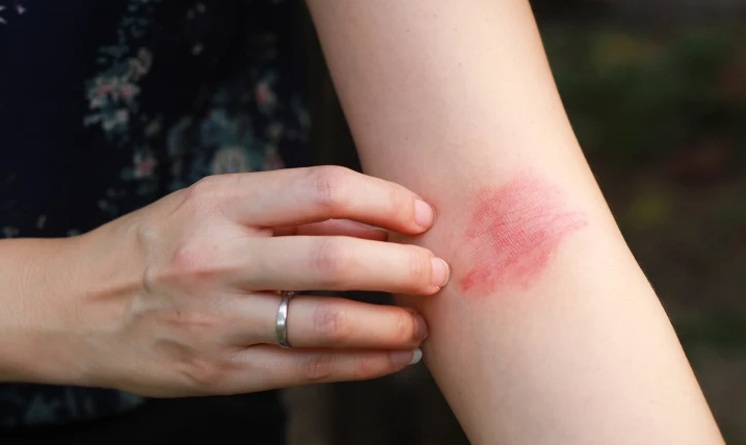
Eczema
Eczema (also called atopic dermatitis) is a chronic skin condition that causes the skin to become red, dry, itchy, and prone to infection. It is one of the most common conditions we see at Canberra Allergy, and it frequently occurs alongside other allergic conditions such as hay fever, dust mite allergy, and food allergy.
Eczema tends to run in families. If your child has eczema and a family history of allergy, there is up to a 30% chance they will also develop a food allergy, and up to 40% may go on to develop asthma or hay fever.
Why does eczema flare?
Eczema-prone skin has a weakened barrier — it loses moisture easily and is more vulnerable to everyday irritants and allergens. When skin dries out, it triggers itching. Scratching makes it worse, releasing more itch-causing chemicals in what is often called the itch-scratch cycle. This cycle can disrupt sleep and significantly affect quality of life.
Common flare triggers include:
- Dry skin and overheated rooms
- Soaps, perfumes, wool, and synthetic fabrics
- Pollen, dust mites, and animal contact
- Chlorinated pools (always rinse and moisturise after swimming)
- Stress (not a direct cause, but it can worsen symptoms)
- Food additives such as artificial colours and preservatives – although this needs more research as studies show conflicting information about some triggers
How eczema changes through life
Eczema affects people at every age, but is most common in babies and young children.
- Infants (under 2): Around 20% of infants develop eczema, usually in the first six months. It often improves significantly by age two to five.
- Children (2–6+): Eczema typically appears in the skin creases — inside the elbows, behind the knees, around the ankles, and on the face and neck. It tends to improve with age.
- Adults: Similar to older children, with dry, itchy, and sometimes weeping or thickened skin. Adult eczema often eases in midlife, though it can develop at any age.
Eczema and food allergy
Many infants with moderate to severe eczema also have a food allergy – but it’s rare for food allergies to be a significant contributor to eczema, they usually exist alongside it rather than causing it. In some cases, a short-term medically supervised elimination diet can help identify whether a specific food is contributing to flares.
Elimination diets should always be supervised by an allergy expert and a dietitian — removing foods can affect a child’s growth and increase the risk of developing new food allergies.
Daily skin care
Good skin care every day is a foundational part of managing eczema. If you can, we recommend:
- Applying a fragrance-free moisturiser to the face and body at least twice daily
- Bathing in lukewarm (not hot) water and moisturising immediately afterwards
- Using a soap-free body wash or bath oil
- Avoiding products containing soap, perfume, or food-based ingredients (such as nut oils or wheatgerm)
- Rinsing off chlorine after swimming and applying moisturiser straight away
It’s important to note that for lots of people, this isn’t enough – and that’s okay! We’re here to help.
Controlling itch and preventing infection
Cold compresses and wet wraps can help during flares. Non-sedating antihistamines may also provide relief, especially if hives are present.
Eczema skin is prone to bacterial infection (Staphylococcus aureus) and viral infections such as the cold sore virus. Some patients manage infections as they arise; others with frequent infections may benefit from a longer-term prevention strategy. Your allergist or immunologist can advise on the best approach for you.
Treatment options
Topical treatments are usually the first step. Corticosteroid creams and ointments, and topical calcineurin inhibitors, are prescribed to reduce inflammation. Lots of people are worried about overuse of steroids, but for the vast majority of patients there’s more risk in using too little. As with antibiotics, the goal is always to get you well enough that you don’t need lots of ongoing medications – but when you’re sick or things are flaring up, avoiding medication because you’re worried about side effects means it’s unlikely to get better on its own. Using enough product matters — undertreating leads to ongoing flares. Your allergist, immunologist or allergy nurse will guide you in prescribing the right amount of medication to use, just as we’d specify a dose for any other medicine.
Antibiotics may be recommended for patients with recurrent skin infections.
Immune-modulating therapies are available for severe eczema that has not responded to topical treatments. Some of these are listed on the PBS for patients aged 12 and over. Your specialist can discuss whether these are appropriate for you.
When to see us
If eczema is affecting your sleep, daily activities, or quality of life — or if you are concerned about a possible food allergy or skin infection — our team can help. Canberra Allergy operates as an open-access service, so you don’t need a GP referral to make an appointment. Call us today on 02 6180 8585, or book an appointment here at the link: https://canberraallergy.com.au/book-now/
Clinics comings soon to Melbourne and the Northern Rivers
References:
https://www.allergy.org.au/images/pc/ASCIA_PC_Eczema_FAQ_2024.pdf